
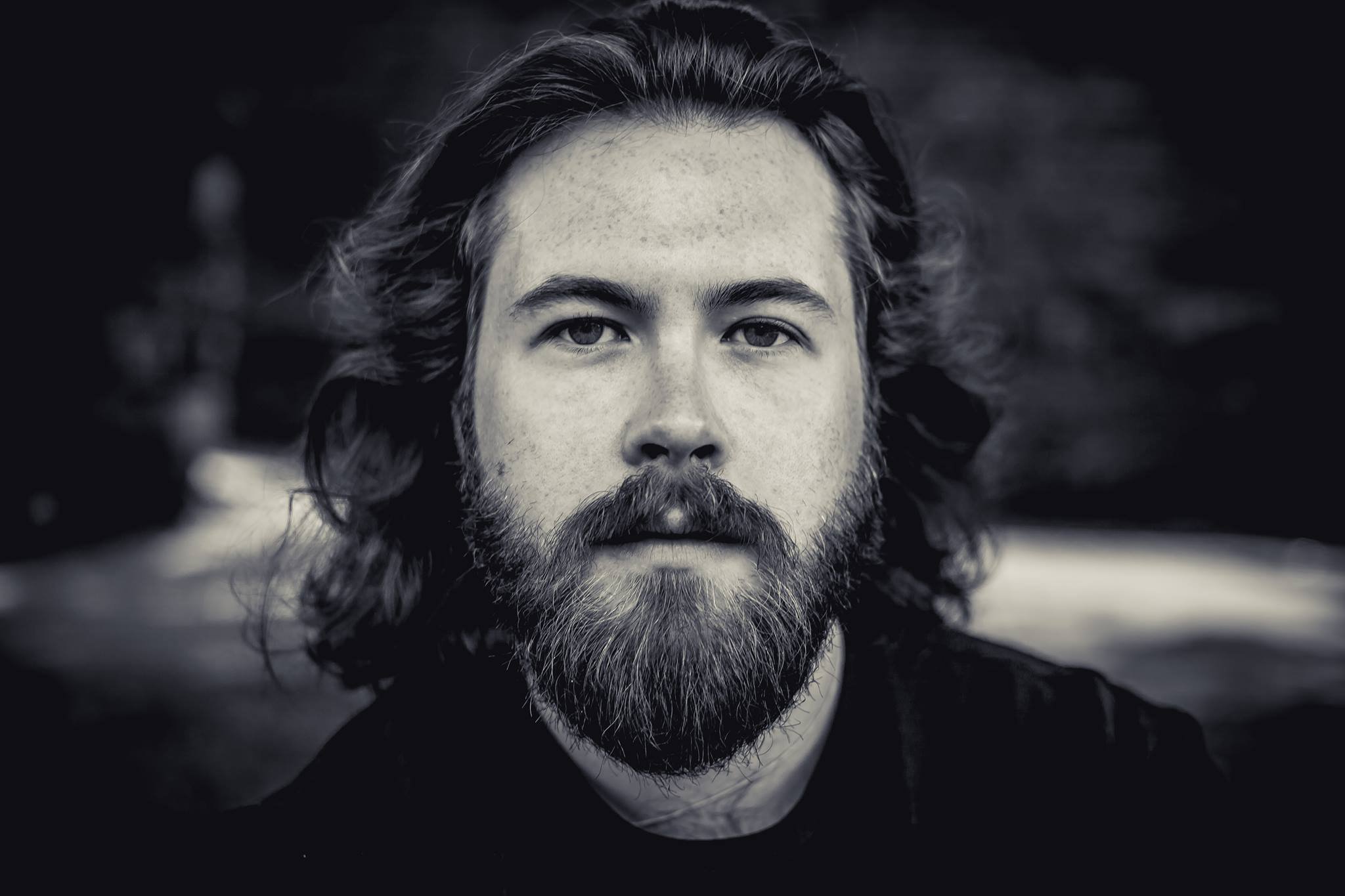
Tom Rackham is a film and TV composer based in the United Kingdom. His music is broadcast on a range of channels worldwide, including BBC One, Channel 4, Discovery, & respective affiliates, and is streamed in shows & films through various services including BBC iPlayer, Netflix, & Amazon Prime.
Tom talked us through his workflow for producing a string quintet recording. With assistance from Synchrony he was able to create a dynamic click track from his own piano performance, bringing the rubato feel of his original performance into the studio with live string players.
The workflow
Nuendo
Free piano sketch
Dorico
Orchestration
Synchrony
Tempo map
Pro Tools
Live strings
In Tom's own words:
“So, for that particular project:
- I had free recorded (no click) a piano sketch into Nuendo.
- I transcribed and orchestrated this for string quintet in Dorico, using a fixed approximate tempo.
- I then exported the MIDI from Dorico back into Nuendo and used Synchrony to map the free/rubato tempo to the fixed notation software output.
- Using the DAW MIDI info, I generated an audio click and mock-up stems to Pro Tools for a live string quintet recording.
- Everything went great and the result sounds awesome.”
Going from recording a piano sketch in a DAW, quantizing the performance and arranging it for ensemble is an established workflow. As Tom has demonstrated above, Synchrony is able to slot seamlessly into this process and gives you the option to preserve the free, rubato timing with no extra work.
The result
Creating a dynamic click track that follows a free tempo performance allows you to achieve the feel of natural ensemble performance with the convenience and precision provided by the click. To record with this kind of freedom normally requires extensive rehearsal time and an ensemble that is used to playing together.
The expression lives in the tempo map, not in the notes. Tom's MIDI stays quantized and notation-ready: clean parts he can export straight to the scoring stage.
“Thanks to Synchrony, it was SO much easier than audio warping and trying to make it make sense manually.”
By removing the tedious, error-prone work of warping audio by hand, Synchrony brings greater realism to studio recordings made under tight deadlines.
For Tom, that meant capturing a musical idea at the piano and building a full arrangement around it, without losing the essence of the original performance.